Ceramic vs Regular Tint — Is It Worth the Difference?
· Updated
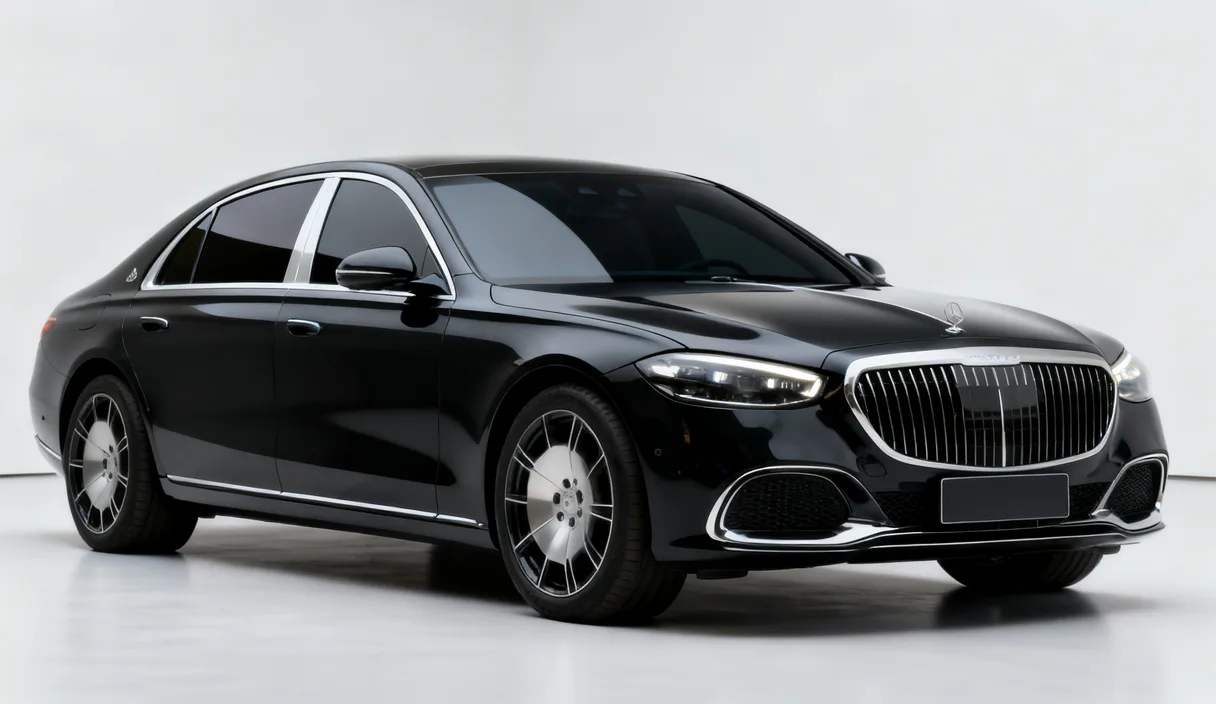
Two quotes for "tint" can differ by a large multiple, and the cheaper one is not a better deal hiding in plain sight. It is a different material doing a different job.
Dyed tint darkens glass and does little about heat, then fades purple. Metallic tint rejects heat but interferes with phone, GPS, and keyless entry. Carbon holds its color and blocks infrared without metal. Ceramic rejects the most solar heat of the four with no signal interference and the longest color stability — which is why it costs more and why it is the only one we install.
The four films, side by side
| Film | How it works | Heat rejection | Signal | How it ages |
|---|---|---|---|---|
| Dyed | Dye absorbs light | Minimal | No interference | Fades purple, bubbles at edges |
| Metallic | Metal particles reflect heat | Good | Interferes with phone, GPS, keyless entry | Holds up, can look shiny |
| Carbon | Carbon absorbs infrared | Better | No interference | Holds color, matte look |
| Ceramic | Nano-ceramic rejects infrared | Best without metal | No interference | Holds color and clarity longest |
Why dyed tint turns purple
It is not neglect and it is not bad luck — it is the technology. Dyed film gets its darkness from an organic dye layer, and UV breaks that dye down. The blues go first, which is why old tint drifts purple rather than simply getting lighter.
At the same time the adhesive gives up, and the film starts bubbling and delaminating from the edges inward. Sacramento accelerates all of it: this valley delivers hard, sustained UV from spring through October, and a car parked outside gets a full dose every day.
Ceramic gets its performance from nano-ceramic particles rather than dye. There is no dye layer to break down, so the failure mode simply is not there.
Does darker tint mean a cooler car?
Most tint shopping happens on the wrong number.
VLT — visible light transmission — is how dark the glass looks. TSER — total solar energy rejected — is how much of the sun's energy the film keeps out of the cabin. People assume darker means cooler. It does not.
A dyed film at a dark, illegal shade can reject less solar energy than a quality ceramic at a nearly clear, legal shade. That is the whole argument in one sentence: darkness is styling, heat rejection is materials.
It also has a practical consequence in California, where front side windows must stay at 70% VLT. With dyed film, legal front glass means giving up on comfort. With ceramic, legal front glass still rejects serious heat — so you stay street-legal and still get the cool cabin.
When you compare quotes, ask each shop for the film's TSER figure. A shop that answers with how dark it goes has told you which tier it is selling.
Does metallic tint block phone signal?
Metallic film performs well on heat and is often the cheapest way to get real rejection. The cost shows up elsewhere: the metal layer interferes with radio frequency. That means weaker cell signal, unreliable GPS, satellite radio dropouts, and — the one that generates the most complaints — keyless entry and tire-pressure sensors behaving strangely.
On a modern car that talks to a phone app, this is not a small annoyance. It is the reason ceramic exists.
So is ceramic worth it?
Honestly: it depends on the car and how long you keep it.
Ceramic is worth it if the vehicle lives outside in Sacramento, you keep cars for years, you park in the sun daily, you have kids or a dog riding in the back, or you want legal front glass that still does something about heat.
Ceramic is harder to justify if the car is garaged and barely driven, you are selling it within a year, or you are tinting for looks alone on rear glass where the law does not care and heat does not reach you.
The cost logic is the same as it is with wraps. Cheap film is cheapest per install and expensive per year — you pay once now and again when it goes purple, plus the removal labor in between, and removal on rear glass risks the defroster lines. Doing it once with good film is usually the cheaper path over the life of the car.
Frequently asked questions
Is ceramic tint worth the extra money?
For a car that sits in Central Valley sun, yes — it rejects substantially more heat, keeps your phone and GPS working, and does not go purple. For a garaged car you are selling soon, the cheaper tier is a defensible choice.
What is the difference between carbon and ceramic tint?
Both avoid metal, so neither interferes with signal, and both hold their color far better than dyed film. Ceramic rejects more infrared heat. Carbon is a real step up from dyed; ceramic is the top of the four.
Does ceramic tint make the car cooler even in a legal light shade?
Yes, and that is exactly the point. Heat rejection comes from the film's construction, not from how dark it is. A legal 70% ceramic on the front glass still does serious work.
How long does ceramic tint last?
Far longer than dyed, because there is no dye layer to break down. Premium ceramic films carry manufacturer warranties against bubbling, peeling, cracking, and color change — ask which line you are being quoted and what its warranty actually covers.
Can I put ceramic tint over my existing tint?
No. Old film has to come off first. Layering traps the failing adhesive underneath and you get the worst of both. Removal is its own job, especially on rear glass with defroster lines.
Which one do you install?
Ceramic. In this climate the other tiers cost more over the life of the car, and we would rather quote one honest number than sell a film we expect to replace. See ceramic window tint for pricing.
Comparing quotes? Bring us the other shop's film line and shade and we will tell you plainly what it will do. Get a free estimate or call (916) 532-1891.