Matte Black Wrap — The Complete Guide (Look, Care & What to Know)
· Updated

Matte black is the single most-requested specific finish that walks through the door at Art Printing Vehicle Wraps in Sacramento, and it's easy to see why. There's nothing else like a car that just absorbs light — no shine, no reflection, all menace. It's the "murdered-out" look people picture: a stealth, blacked-out machine that reads as serious from across the lot. But matte black is also the finish people most often misunderstand, because the same flat surface that makes it look incredible is the one thing that makes it the least forgiving to live with. So here's the honest installer's rundown — the look, why everybody wants it, the care reality nobody mentions on the swatch card, and how to do it right.
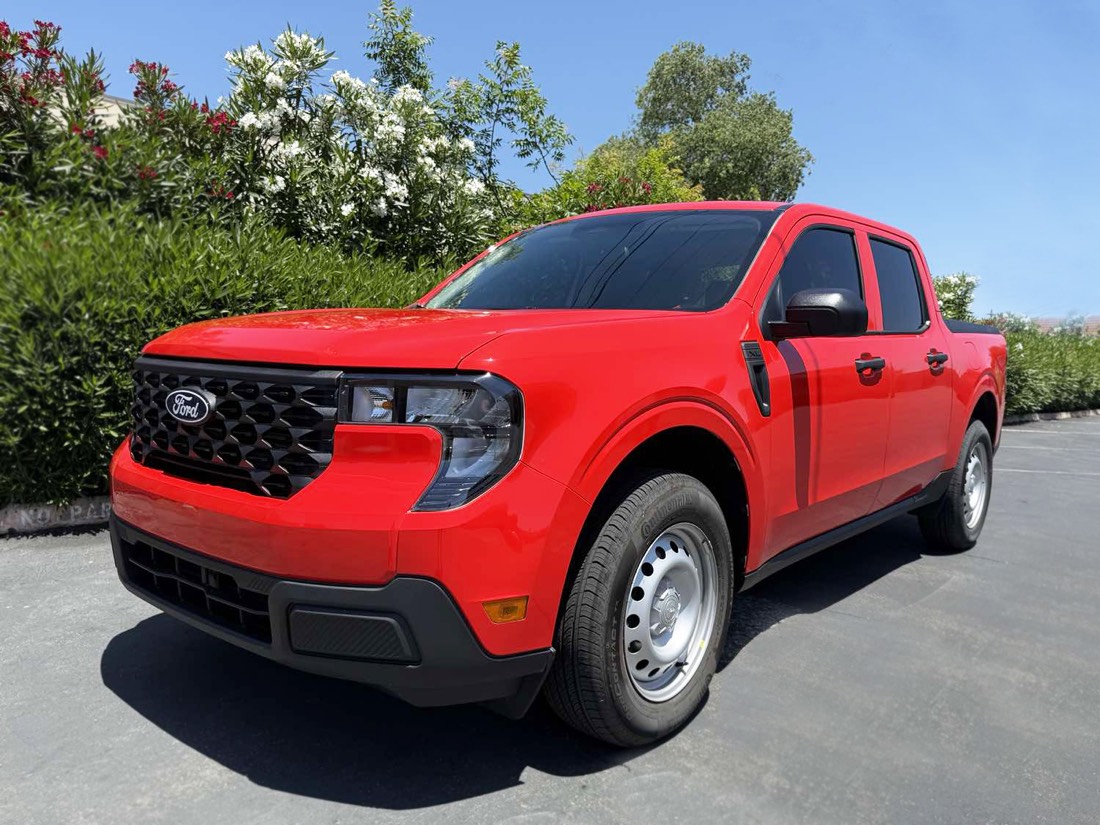
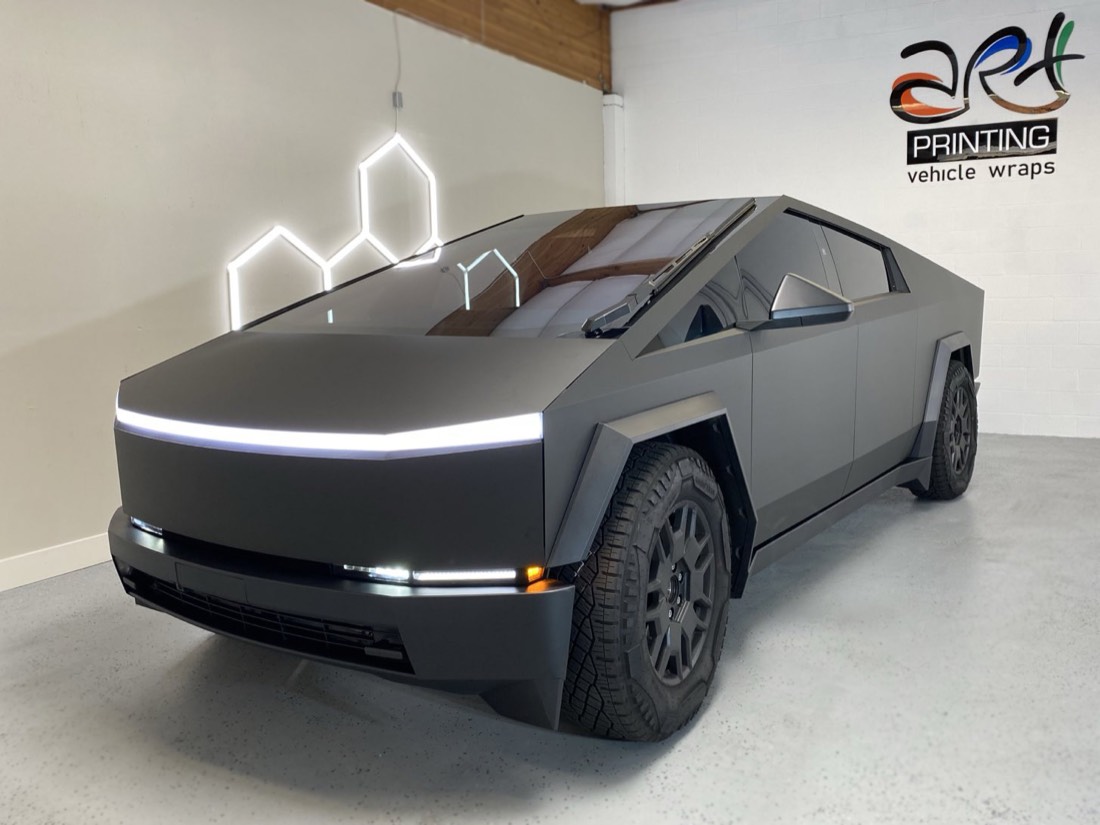
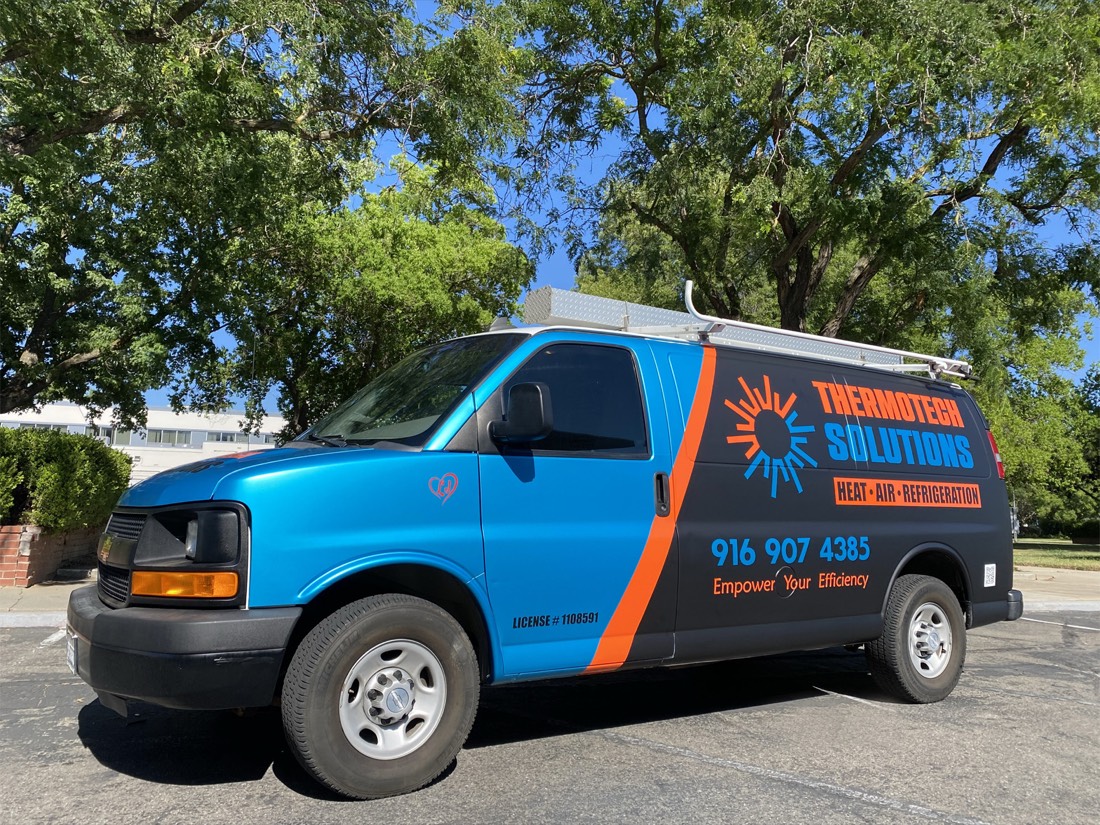
A matte black wrap removes the reflection that makes a car look like every other car, and hides panel waviness and minor dings far better than gloss. It costs the same per sq ft as gloss or satin, needs wrap-safe products with no wax or polish, and is fully reversible on sound paint.
Why is matte black wrap so popular?
Matte black does something no glossy color can: it removes the shine, and shine is what makes a car look like every other car. Strip the reflection away and you're left with shape and attitude. The result is aggressive, modern, and expensive-looking in a way that doesn't shout — it broods. That's the appeal of the "stealth" or "murdered-out" build, and it's why matte black crosses every category, from luxury sedans, exotics, and performance coupes like the BMW M4 to work trucks and daily SUVs.
There's a practical reason it's so popular, too. A flat finish is kind to a body that's seen some life. Because there's no mirror-like surface to reflect the world, matte black hides panel waviness, minor dings you've stopped caring about, and the general wear a daily driver collects — far better than gloss, which telegraphs every wave and dust nib. For trucks and fleet vehicles especially, matte black both looks tough and forgives the miles. And as a color change it's about the most decisive one you can make: a silver or white car turns into something completely different the moment it goes flat black.
What is the difference between a matte and satin black wrap?
Matte is dead flat with zero sheen; satin carries a low sheen that catches light softly. Both cost the same per square foot — the difference is entirely in upkeep, and matte is the hardest finish to keep clean of anything we install.
| Matte black | Satin black | |
|---|---|---|
| Sheen | None — dead flat | Low, soft glow |
| Fingerprints & smudges | Show readily around handles and fuel door | Much more forgiving |
| Cleaning | Hardest — no buffing, no wax, no brush wash | Easier, still no wax or polish |
| Hides panel waviness | Best | Good |
| Price per sq ft | Identical — finish changes the look, not the rate | |
The longer version
This is the choice that trips people up, and it matters more than the photos suggest. Matte and satin are not the same finish, and the gap between them is mostly about how the surface handles light — and how it handles your fingers.
- Matte black is dead flat. Zero sheen, no reflection at all. It's the deepest, most aggressive version of the look. It's also the most demanding: fingerprints around the handles and fuel door, water spots, and oily smudges show up readily against the flat surface, and it's the hardest of any finish to clean without leaving a mark.
- Satin black keeps a soft, low sheen — somewhere between matte and gloss. In person it still reads stealthy and rich, but that little bit of sheen is forgiving. It hides handprints and drips better, water spots are less obvious, and it's noticeably easier to live with day to day.
Our honest steer: if the car sits in a garage and gets babied, true matte black is unbeatable. If it's a daily driver that lives outside and gets touched at the gas pump, satin black gives you about 90% of the stealth look with a fraction of the upkeep headache. Plenty of customers come in set on matte, see the two swatches side by side, and leave choosing satin — and they're glad they did. Either way, see them in person first; our full wrap finishes comparison lays out the trade-offs across gloss, satin, matte, chrome, and color-shift.
How do you wash a matte black wrap?
Here's the part the swatch card won't tell you: matte is the highest-maintenance finish to keep looking right, and the rules are different from paint and different from gloss vinyl. Get this wrong once and the damage is usually permanent.
The flat look comes from a micro-texture in the film that scatters light instead of reflecting it. Anything that fills, smooths, or smears that texture — wax, polish, sealant, a hard scrub, a buffer — leaves a shiny patch that stands out against the flat finish and does not come out. There's no buffing it back. Fixing a marred matte panel means replacing it. That's the whole reason matte care is its own discipline.
What matte hides well: panel waviness, minor body flaws, UV wear over time, and the general wear-and-tear of a daily driver. What matte shows badly: fingerprints and oily smudges around handles and the fuel door, hard-water spots if you let it air dry, and any accidental shiny scuff. So the care routine leans entirely on gentle, matte-safe washing done a little more often than you'd wash a glossy car.
The good news: matte-safe washing isn't hard, it's just specific. Hand wash with a pH-neutral automotive soap using the two-bucket method, use a soft microfiber mitt, work top to bottom, and dry by hand with microfiber so Sacramento's hard water doesn't leave mineral spots. Deal with bird droppings, bug splatter, and fuel immediately — acidic stuff stains matte permanently if it bakes in the sun. A wrap-safe (matte-rated) ceramic coating is one of the best add-ons for a matte wrap: it makes the surface easier to clean and adds UV protection without adding shine. For the full step-by-step, see our guide to wrap maintenance & washing.
Should you pair a matte black wrap with a chrome delete?
A matte black body still has shiny jewelry on it — window surrounds, badges, grille trim, mirror caps, sometimes door handles. Against a dead-flat finish, that brightwork pops, and it breaks up the stealth effect you paid for. That's why the matte black wrap and the chrome delete are the classic pairing: black out the trim and the whole car reads as one cohesive, murdered-out piece instead of a black body wearing chrome accessories.
A chrome delete simply wraps that bright trim in black film — gloss black for a sharp contrast against a matte body, or matte black to make the trim vanish entirely into the finish. It's one of the most popular combinations we do, and it's the difference between a car that looks "blacked out" and one that's only most of the way there. You can do the body and the chrome delete together for a true full blackout, or add the delete later — but if the goal is stealth, plan for both.
Does matte black scratch, and does it heal?
Vinyl wraps, matte included, are not self-healing the way some clear paint protection film is — a deep scratch in the film stays a scratch. What matte does have going for it is that it hides the flat kinds of imperfection (waviness, dull spots, minor body flaws) because there's no reflection to reveal them. What it shows badly is the shiny kind: a scuff that glosses the surface, a wax streak, a buffed spot. Those stand out and generally can't be polished out, so the whole game with matte is prevention, not repair. Gentle, matte-safe washing and a matte-rated ceramic coating keep marks from happening in the first place; if a panel does get damaged, the fix is to re-wrap that panel.
Does a matte black wrap come off without damaging paint?
One of the best things about a matte black wrap is that it's reversible. A quality cast-vinyl wrap is removable, and on healthy factory paint it comes off cleanly with no adhesive residue — which is exactly why so many owners wrap rather than repaint. You get the dramatic new look now, the original paint stays protected underneath, and you can return the car to its factory color later, all of which is friendlier to resale than a permanent respray. While it's on, the film shields the paint from UV, light scuffs, and small rock chips. A well-cared-for matte wrap lasts roughly five to seven years, then comes off and lets you change the look again. Browse what's possible on our color-change wraps page.
The bottom line
Matte black is the most striking finish you can put on a car — flat, stealthy, all attitude — and it's earned its spot as the most-requested look. Just go in clear-eyed: true matte is the least forgiving finish to clean, satin black gives you most of the look with less upkeep, and either one demands matte-safe washing with absolutely no wax or polish. Pair it with a chrome delete for the full blackout, keep it off the brushes, and it'll look mean for years.
Want to see matte and satin black against your actual car? See your exact price and we'll hold the swatches up to your panels, talk finish and care honestly, and quote it by size.
Frequently asked questions
What's the difference between a matte black and a satin black wrap?
Matte black is dead flat with zero sheen — the deepest stealth look, but it shows fingerprints, water spots, and smudges more readily and is the least forgiving to clean. Satin black has a soft, low sheen that sits between matte and gloss; it reads almost as stealthy in person but hides handprints and drips better and is a bit easier to live with day to day. If you love the murdered-out look but drive the car daily, satin is usually the lower-regret choice.
How do you care for a matte black wrap?
Hand wash only, with a pH-neutral soap made for vehicles, using the two-bucket method and a soft microfiber mitt, then dry by hand so water doesn't spot. Never wax, polish, buff, or run a matte wrap through a brush or touchless automatic wash — wax fills the flat micro-texture and leaves permanent shiny streaks, and brushes scratch and lift the film. Use only products labeled safe for matte vinyl, and clean off bird droppings, bugs, and fuel right away before they stain.
Does matte black show scratches and swirl marks more than gloss?
Matte black hides body waviness and minor panel flaws better than gloss because there's no reflection to telegraph them. But it shows the wrong kind of damage badly: a shiny scuff, a buffed spot, or a wax streak stands out against the flat finish and usually can't be polished out — fixing it means replacing the panel. Vinyl is not self-healing the way some PPF is, so the move is to prevent marks with gentle, matte-safe washing rather than to repair them after.
Should I pair a matte black wrap with a chrome delete?
If you want the full blacked-out look, yes — a chrome delete blacks out the shiny window trim, badges, grille surrounds, and mirror caps that otherwise break up the stealth effect. Pairing matte black with a chrome delete is one of the most popular combinations we do; the body goes flat black and the brightwork disappears, so the whole car reads as one cohesive murdered-out finish instead of a black body with chrome jewelry.
Is a matte black wrap reversible and does it protect the paint?
Yes. A quality cast-vinyl matte wrap is removable and, on healthy factory paint, comes off cleanly without damaging the finish — many owners wrap specifically to protect the original paint and keep resale value. Installed and removed correctly, the wrap shields the paint from UV, light scuffs, and rock chips while it's on, and you can return the car to its original color later. A wrap lasts roughly five to seven years with proper matte-safe care.
5051 College Oak Dr Suite C, Sacramento, CA 95841
Phone: (916) 532-1891 · Mon–Fri 9:00 AM – 6:00 PM