How to Choose a Vehicle Wrap Shop — 9 Questions to Ask
· Updated

We've removed a lot of other people's wraps. Some come off clean and we never see the customer again because nothing went wrong. Others come in lifting at every corner, tunneling out of the curves, with cheap film that tore into strips and left adhesive baked into the paint. Almost every one of those bad jobs traces back to the same thing — the owner picked a shop on price alone and had no idea what to ask.
A vehicle wrap is film and glue on your paint for years. The difference between a real shop and a fly-by-night operation isn't visible on pickup day. It shows up at month three, and again the day you try to take the wrap off. So before you hand over a deposit, ask these nine questions — the same ones we'd want asked at Art Printing Vehicle Wraps if the car were ours. The answers — and how comfortably they come — tell you almost everything.
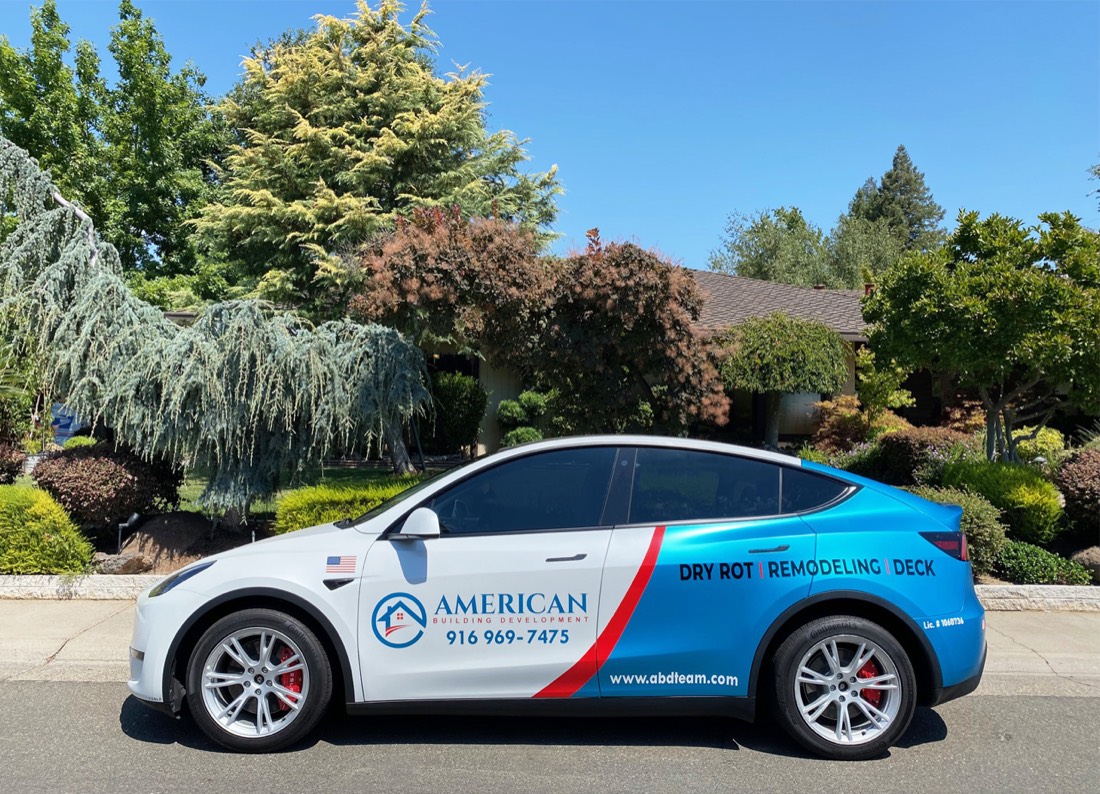
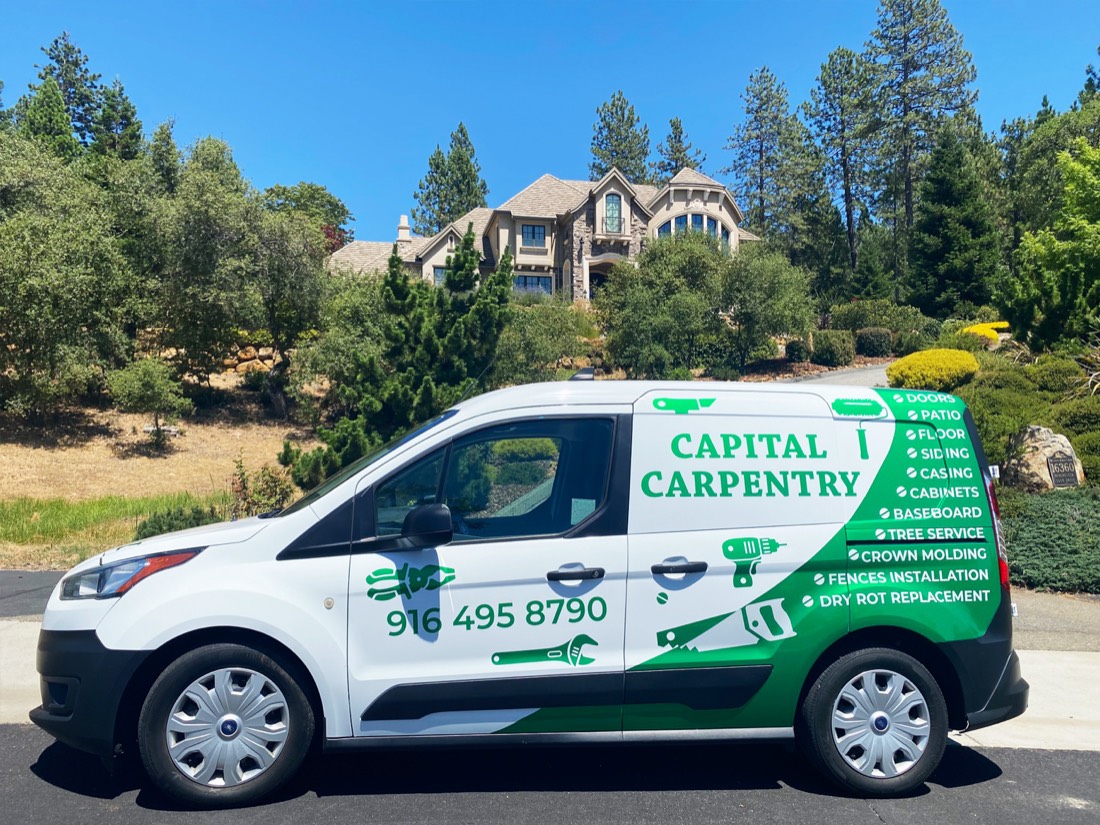
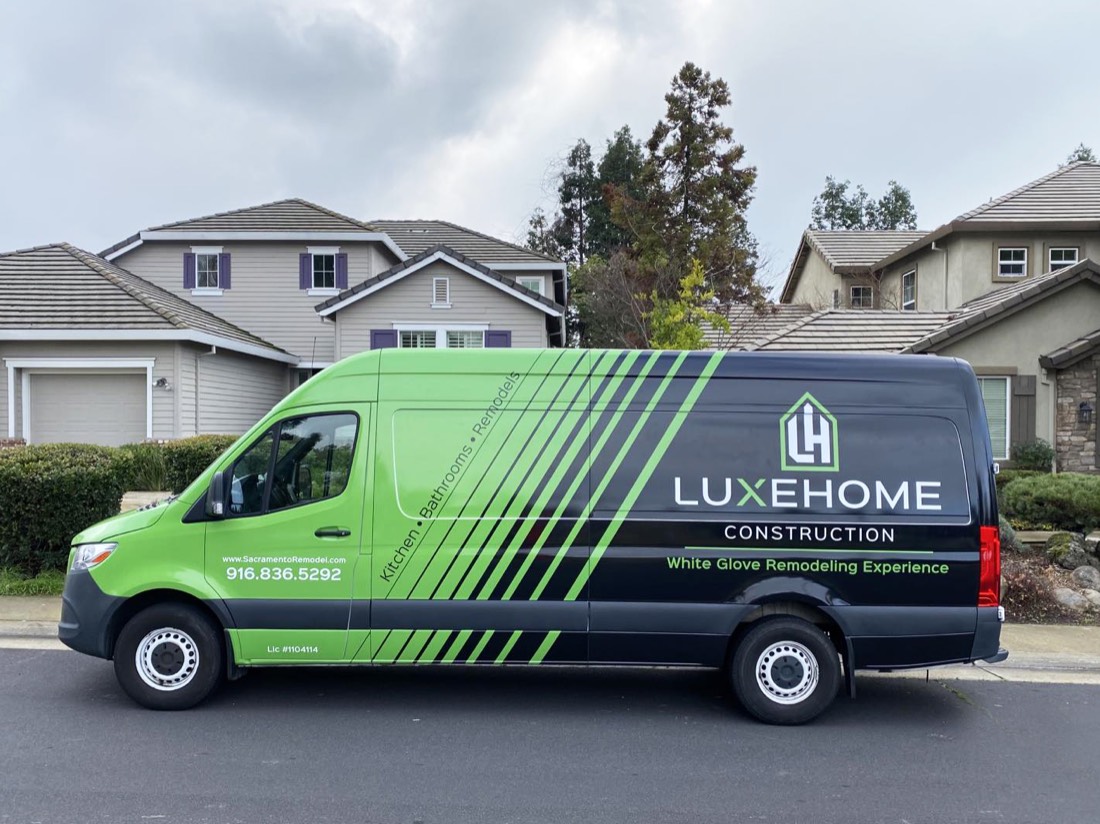
Judge a wrap shop by what it does with edges and recesses, not by its Instagram feed: film should be tucked and post-heated rather than trimmed flush. Ask which film brand it uses, whether install is in-house, how long the car is needed (1–3 days is normal) and what the workmanship warranty covers.
1. What film are you actually using — cast or calendered?
This is the first question, and the answer separates pros from price-cutters faster than anything else.
Cast vinyl is poured as a liquid and cures thin. It conforms into deep recesses and curves and stays there — it doesn't want to shrink back. It's what belongs on any full color change or any car with real body lines.
Calendered vinyl is squeezed into shape and has "memory." It wants to pull back toward flat, which means on a curved panel it tunnels and lifts over time. It's cheaper, and it's fine for flat signage or short-term commercial graphics — not for wrapping your daily driver.
When a quote comes in suspiciously low, the film grade is almost always where the corner got cut. Ask which it is, by name. A shop that wraps cars for a living will tell you cast without hesitating, and tell you the brand.
2. Which premium film brand, specifically?
"High-quality vinyl" means nothing. Real shops buy from a short list of manufacturers and will say so on the spot: 3M (1080 and 2080 series), Avery Dennison Supreme Wrapping Film, KPMF, Hexis, or Orafol. For paint protection film, you'll hear XPEL, SunTek, or 3M named the same way.
These brands matter for two reasons. First, the film genuinely lasts longer and removes cleaner. Second, the warranty behind the wrap — the manufacturer's durability rating, up to 7 years on premium cast films like 3M Wrap Film Series 2080 and Avery Dennison Supreme Wrapping Film — comes from the manufacturer and only applies if a genuine, named film was installed. No brand name, no warranty. If a shop won't name the film going on your car, assume it's the cheapest roll they could find.
3. Do you install in-house, or do you subcontract?
Plenty of operations sell wraps and then hand the actual install to whoever's available that week. You think you hired the shop in the photos; your car gets wrapped by a rotating subcontractor with no stake in how it holds up.
Ask directly: Who physically wraps my car, and do they work here? You want in-house installers who own the result — the same people who'll answer for it if an edge lifts. A shop that does its own work will happily tell you who's on the bay. Vagueness here is a red flag. We install every wrap ourselves, in our own bay, which is the only way we'll put our name and our warranty on it.
4. Is the workmanship warranty in writing, and is removal handled right?
A good wrap doesn't just go on well — it comes off well. Premium cast film on properly prepped, healthy paint peels away cleanly when its life is over and leaves your factory finish the way it started. That reversibility is the entire point of a wrap.
So ask one thing in writing — the shop's workmanship warranty on the install — and ask how they handle removal at end of life. Premium cast film on prepped, healthy paint peels away cleanly; cheap film and skipped prep are what turn removal into torn vinyl and baked-on glue — and that becomes your problem, long after they've cashed the check. A fly-by-night shop won't put its workmanship warranty in writing, because that's the part they can't stand behind. Get the workmanship warranty on paper. If they hesitate, you have your answer.
5. Is your pricing transparent and size-based?
Here's where a lot of money quietly disappears. Watch for three pricing tricks:
- "Call for a quote." Sometimes that's legitimate — every vehicle is different. But a shop that won't publish even a starting range is often reading your car, and your willingness to pay, before it quotes you.
- Badge pricing. A wrap should be priced by your vehicle's size and surface area — the film and labor it takes to cover it — not by what the car is worth. A same-size sedan and a compact EV take roughly the same amount of film and time. They should cost roughly the same.
- The badge premium. This is badge pricing's clearest form: one flat premium quoted for every Tesla, the same number for a Model 3 and a Model X even though they're very different sizes. That gap isn't film and labor — it's the badge. We price each model by its actual size, smallest to largest, and we publish those numbers.
For the full local breakdown, see our car wrap cost guide for Sacramento. The honest test is simple: a shop with nothing to hide tells you what drives the price and gives you a real number tied to the size of your vehicle.
6. Can I see a real portfolio of your own work?
Anyone can post a gallery of gorgeous wraps. The question is whether they did them. Stock photos and lifted Instagram shots fill a lot of shop websites.
Ask to see jobs they did, ideally in person — a wrapped vehicle in their lot, or a customer's car mid-install. Look at the hard parts: the edges around door handles, the recesses by the mirrors, the seams. That's where skill shows and where stock photos can't help them. Ask how long ago a particular job was done and whether they can show you that same vehicle now, a year or two later. Real shops are proud to. You can browse our actual portfolio here — our work, our customers, our city.
7. How long will it actually take — honestly?
Two failure modes here, opposite directions.
One is the shop that promises your full color change tomorrow. In our experience a real wrap is roughly 70% preparation — wash, clay-bar, decontaminate, template, pull hardware — and only about 30% laying film. A full color change on a typical car is usually a few business days in the shop done right — roughly 2–3 business days of production and printing, then 1–3 days on the install. "Done by tomorrow" means corners are getting cut, almost certainly on prep.
The other is a backlog so long it's quietly a brush-off, or a date that keeps slipping with no straight answer. What you want is a real, specific date given after someone has seen your vehicle — not a number guessed over the phone, and not "we'll fit you in." Honesty about turnaround is honesty about everything else.
8. Walk me through your design and proof process.
This one's for printed and commercial wraps especially. You should never see your wrapped vehicle for the first time when it rolls out of the bay.
A real shop produces a proof — a to-scale mockup of your design on your specific vehicle — and gets your written sign-off before anything prints. You review colors, logo placement, how the graphic wraps around body lines and over door handles, where text lands so it isn't cut by a wheel arch. Ask how revisions work and whether proofs cost extra. A shop that prints without a signed proof is a shop that hands you a "that's not what I pictured" wrap and an argument about who pays to redo it.
9. How do you handle edges, seams, and panel removal?
This is the craft question, and the answer tells you whether you're talking to a wrapper or a sticker-applier.
Vinyl fails at its edges. Every exposed edge is somewhere a car-wash brush, a fingernail, or a pressure washer can catch and start a peel. The fix is to remove hardware — handles, badges, mirror caps, light trim, sometimes bumpers — so the film tucks behind edges instead of ending on a visible surface. It's slower and it's the difference between a wrap that looks painted on and one that's lifting by summer.
Then there's post-heating — going back over every stretched and recessed area with a heat gun to reset the adhesive and remove the film's memory so it stops trying to pull out of the curves. Skip it and a wrap looks perfect on pickup day, then tunnels out of the recesses a few weeks later. It's the single most common reason cheap wraps fail early.
Ask whether they pull panels and whether they post-heat. A real installer lights up talking about this. Someone who's vague is someone who cuts around the handles and skips the heat. For the full walkthrough, see how wrap installation works.
A quick note on certifications
Manufacturer-trained installers — 3M Preferred, Avery Dennison certified, or members of a body like PDAA — have proven they can hang a wrap to a real standard. It's a genuine signal, and worth asking about.
But certification on its own isn't the whole story. We've seen certified shops do mediocre work and uncertified veterans do flawless work. Treat it as one data point alongside everything above. The portfolio you can touch, the film named on the invoice, and the workmanship warranty in writing tell you more than a logo in the footer ever will.
What are the red flags when choosing a wrap shop?
Nine questions separate a wrap shop from a vinyl seller, and the answers to the first two — which film, and who installs it — filter out most of the field on their own. Here is what a good answer sounds like against a bad one:
| Ask this | Good answer | Red flag |
|---|---|---|
| Which film? | Names it: 3M 2080, Avery Supreme — cast, not calendared | "High-quality vinyl" and stops there |
| Who installs it? | In-house crew, same people who quoted you | Vague about subcontracting |
| Warranty? | Workmanship warranty in writing, removal covered | Verbal only, or silence on removal |
| How is it priced? | By measured area — square footage | Flat rate tied to your badge |
| Portfolio? | Their own vehicles, some you can go see | Stock photos |
| Turnaround? | A real date: print 2–3 days, install 1–3 | Impossibly fast, or endlessly slippery |
| Edges and seams? | Hardware removed, film tucked, post-heated | Cuts around handles, skips post-heat |
The red flags, in one place
- Won't name the film, or says "high-quality vinyl" and stops there
- Calendered film quoted for a full color change on a curved car
- Subcontracts the install and gets vague about who's wrapping your car
- No written workmanship warranty
- Price tied to your car's badge, not its size — especially a flat "badge premium"
- A portfolio that's all stock photos, with no jobs you can see in person
- A turnaround that's either impossibly fast or endlessly slippery
- Prints a commercial wrap with no signed proof
- Cuts around handles and badges, skips post-heating
The bottom line
A wrap is a multi-year commitment of film and adhesive to your paint. The shop that gets it right names the cast film by brand, installs in-house, warranties its workmanship in writing, prices by size instead of badge, shows you its own work, gives you an honest date, proofs the design, and obsesses over edges and post-heat. That's the whole list — and a real shop welcomes every question on it.
If you're local, here's what we do every day: vehicle wraps in Sacramento. When you're ready to talk specifics, get started here and we'll quote it after we see your car — by size, in writing, with the film named.
5051 College Oak Dr Suite C, Sacramento, CA 95841
Phone: (916) 532-1891
Hours: Monday–Friday, 9:00 AM – 6:00 PM