Vehicle Wrap vs Paint — Which Is Better?
· Updated
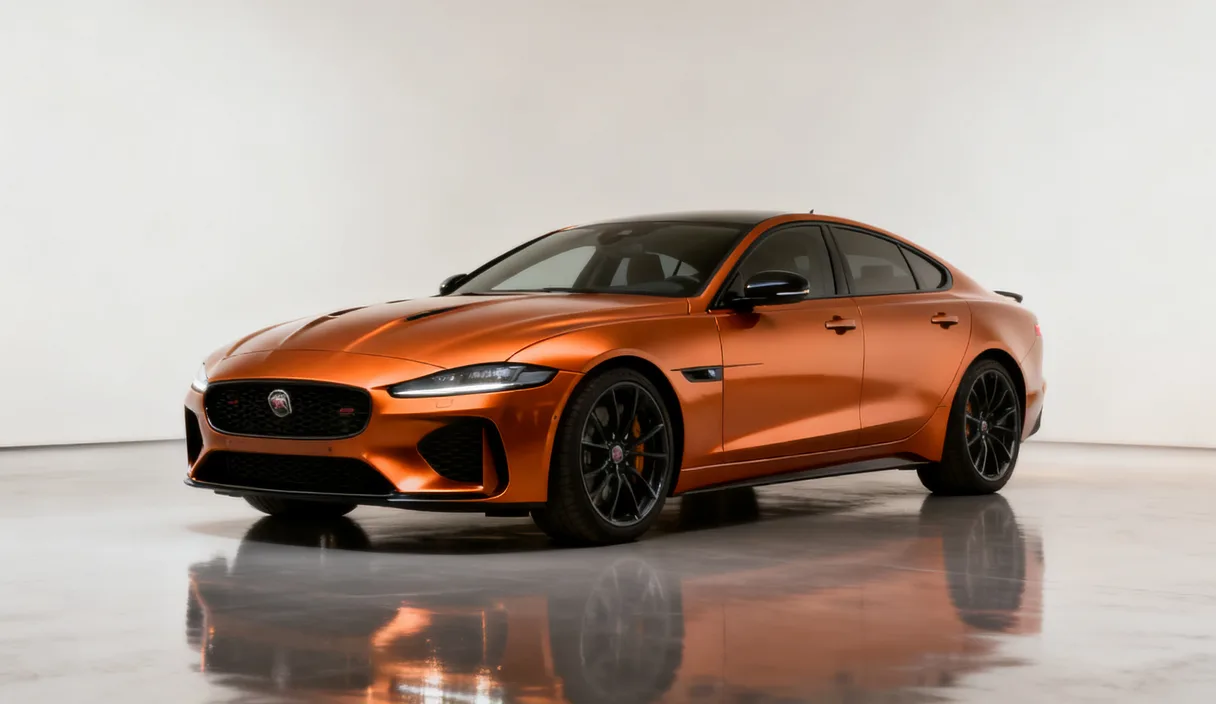
A wrap is usually cheaper than a quality paint job and is fully reversible — your factory color stays underneath and comes back when the wrap comes off. Paint is more durable against rock chips and is permanent. Choose a wrap to change your look temporarily, protect resale value, or run business graphics. Choose paint for a permanent change, or to fix factory paint that is already damaged.
Both are valid. The right answer depends on what you actually want. At Art Printing Vehicle Wraps in Sacramento, we both wrap cars and remove old wraps in the same College Oak Dr bay, so we see both ends of this — and across the wraps we install on sound factory paint, removal years later comes off clean. Here is the honest comparison, including the two questions everyone asks: does it damage the paint, and does it hurt resale.
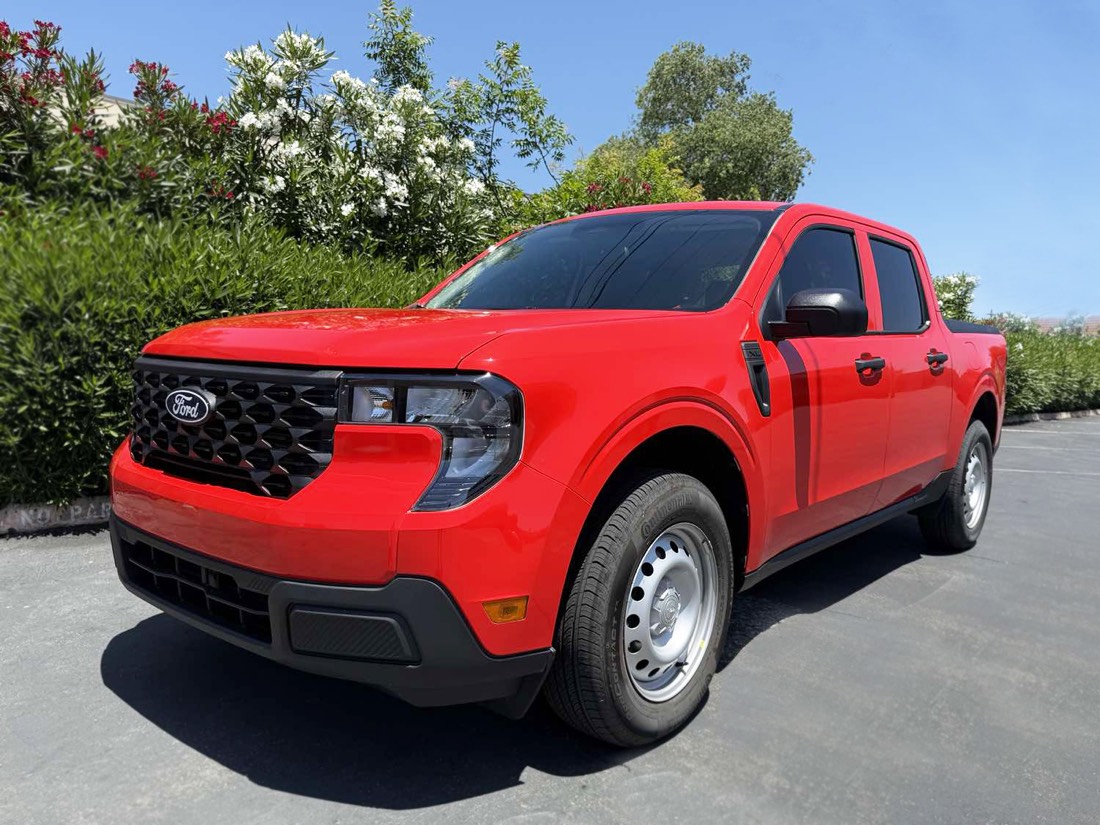
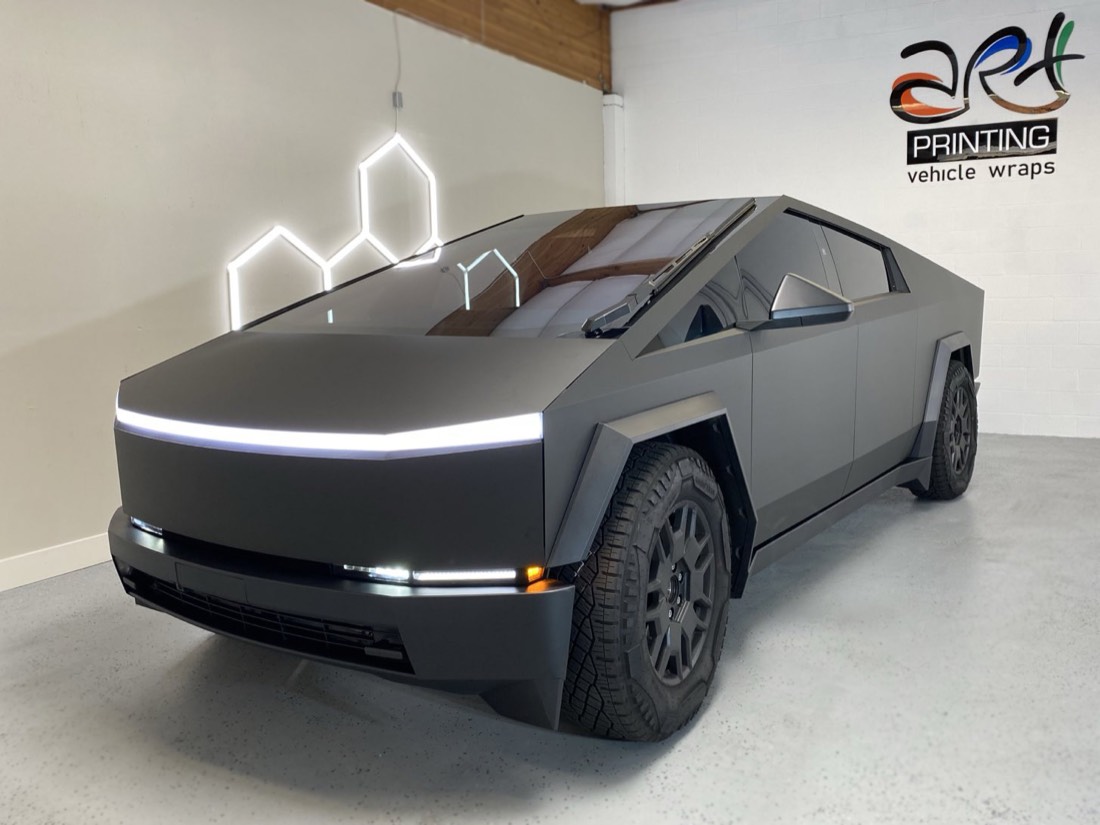
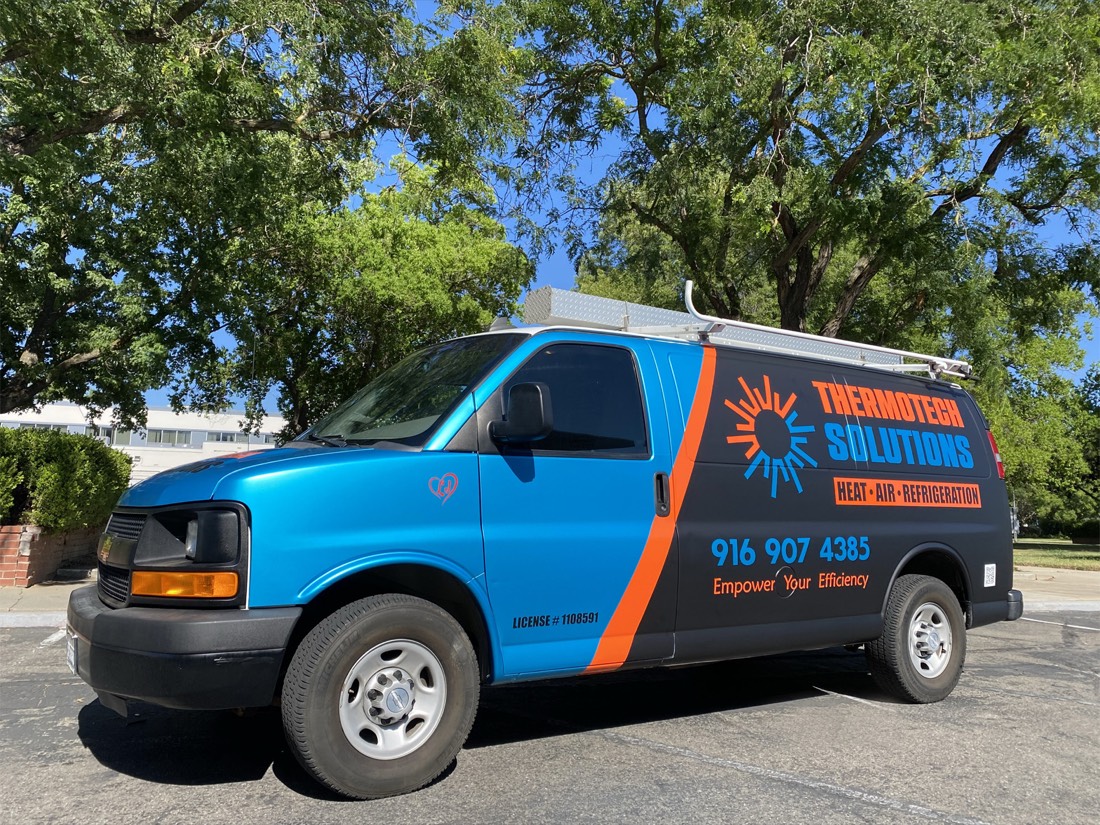
A wrap is usually cheaper than a quality respray and is fully reversible — the factory colour stays underneath, which protects resale value. Paint is permanent and repairs panel by panel; a wrap lasts 5–7 years, then comes off. Choose paint to fix damage, a wrap to change how the car looks.
Wrap vs paint at a glance
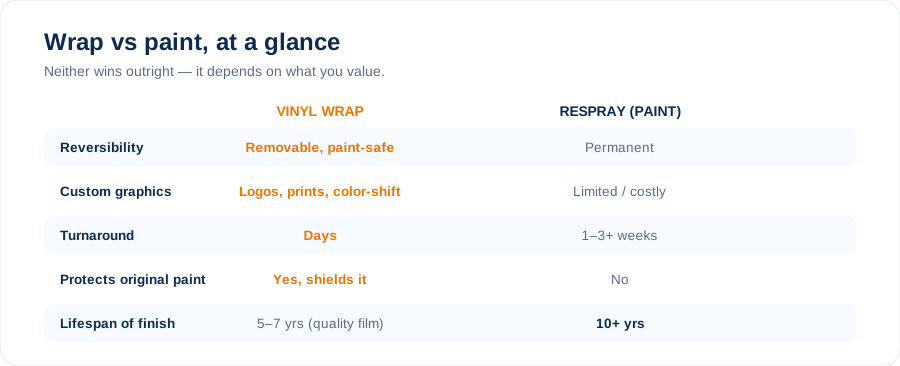
| Factor | Vinyl wrap | Paint |
|---|---|---|
| Cost | Usually cheaper for a quality result | A quality job costs as much or more |
| Reversibility | Yes — peels off, factory color returns | No — permanent |
| Durability | 5–7 years; a rock can tear film | Longer-lived; a rock scratches, can be buffed |
| Resale | Protects original paint underneath | Permanent change; some buyers want factory-original |
| Finish options | Matte, satin, gloss, chrome, color-shift, texture | Limited to what's sprayed |
| Time in the shop | A few business days | A week or more for a proper respray |
| Protects factory paint | Yes — shields from sun and minor abrasion | Replaces it |
That table mirrors what people in car communities actually conclude. "A quality wrap job is way cheaper than a quality paint job. Wraps have a ton of more color+shift+texture options at a cheaper price compared to paint." And from the other side: "Paint holds up better from a material standpoint. A rock will tear the wrap, where it will simply scratch the paint." Both are true. Neither makes the other wrong.
If the open question is how a new color would look, try it before you choose: our free car wrap visualizer previews a wrap on your make and model. It is a mockup, not the finished film, but it settles "would I actually like it in satin black" faster than a swatch card.
When a wrap wins
- You want a different look, not a different car. A color-change wrap gives you matte, satin, chrome, or color-shift without committing to it forever.
- You might change your mind. "It's 100% reversible," as one owner put it. Tired of it in three years? Peel it. Selling? Peel it. Your factory color is right there.
- It's a newer car with a paint warranty. Wrapping doesn't touch the paint, so the warranty stays intact. As one r/cars commenter warned, sanding down and repainting a new car "voids" that protection.
- You want business graphics. Lettering and full commercial wraps are a wrap-only job.
- You want lower cost and faster turnaround. Days, not weeks, and usually a smaller bill.
When paint wins
- You want it permanent. No removal, no lifespan, no re-wrap in five years.
- Maximum impact resistance. Paint takes a rock chip as a scratch you can buff; film can tear. (Paint protection film closes that gap — more below.)
- Your factory paint is already bad. Vinyl needs sound paint to stick to and release from. If your clear coat is failing, paint repair may need to come first.
- A finish wrap can't replicate. Some specialty paint effects don't exist in film.
Does wrapping damage the paint? (the real answer)
This is the fear, and it comes from real horror stories: "I started unwrapping the roof and the wrap coloring just started flaking and it left a bunch of adhesive on my paint." So let's be precise about why that happens.
Paint damage on removal almost always traces to one of three things:
- Cheap film. Bargain vinyl degrades, bakes its adhesive onto the paint, and fights you on the way off.
- Poor prep or a bad install. Skipped decontamination and lifting edges set up a bad removal years later.
- A wrap left on far too long. "Wraps really shouldn't be on a vehicle for more than 3 or 4 years" with cheap film — the adhesive cures hard and the finish fails.
The flip side, from a 12-year installer: "Any good wrap company will return your car to you the way you gave it to them." That is the standard. On factory paint in good condition, with premium film, a proper install, and removal before the film is past its prime, a wrap comes off clean. We back every install with a 60-day workmanship warranty, and premium cast film comes off clean.
The honest caveat: if your original paint is already peeling, flaking, or was previously repainted, that paint can come off with the film. The failure there is the paint, not the wrap — which is why we inspect first and tell you straight.
Does a wrap hurt resale value?
Usually the opposite. A wrap protects the original paint it covers — shielding it from UV and minor abrasion for years. When you sell, you remove the wrap and reveal clean, sun-protected factory paint. Keep the removal receipt and the car presents as original.
A repaint is the permanent option. It can look fantastic, but it's irreversible, and some buyers discount a non-factory respray. If protecting resale is the goal, reversible beats permanent.
So, wrap or paint?
If you want a reversible change, lower cost, more finish options, protected resale, and a faster turnaround — wrap it. If you want something permanent, maximum material durability, or you're fixing failed paint — paint it. There's no universal winner, only the right call for your car and your plan.
Not sure which way to go? We'll tell you honestly, including when a wrap is not the right move.
Frequently asked questions
Is it cheaper to wrap or repaint a car?
A quality wrap is usually cheaper than a quality paint job that lasts as long as paint should, and it keeps your factory color underneath. A cheap respray can undercut a wrap on price but rarely matches the finish or longevity. For most color changes, wrapping costs and risks less. See the car wrap cost guide for Sacramento.
Does wrapping a car damage the paint?
Not when installed and removed correctly on factory paint in good condition. Damage on removal almost always comes from cheap film, poor prep, or a wrap left on too long. Premium cast film comes off clean from sound paint; our 60-day workmanship warranty covers the quality of the install.
Does wrapping affect resale value?
It usually protects it. Your original paint stays sealed and sun-shielded underneath, and you remove the wrap before selling to reveal clean factory paint. A permanent repaint can lower value with buyers who want factory-original.
Which lasts longer, a wrap or paint?
Paint lasts longer as a material; a quality wrap lasts roughly 5 to 7 years, then comes off. The trade-off is permanence versus reversibility.
Can you wrap over bad or peeling paint?
Vinyl needs sound paint to adhere to and release from cleanly. Failing original paint can pull off with the film. We inspect first and tell you whether wrapping is the right call.
Thinking about a color change? See color-change wraps, or start a free estimate — we'll lay out wrap vs paint honestly for your exact car.