What Does a Car Wrap Cost in Sacramento? (Transparent 2026 Pricing)
· Updated
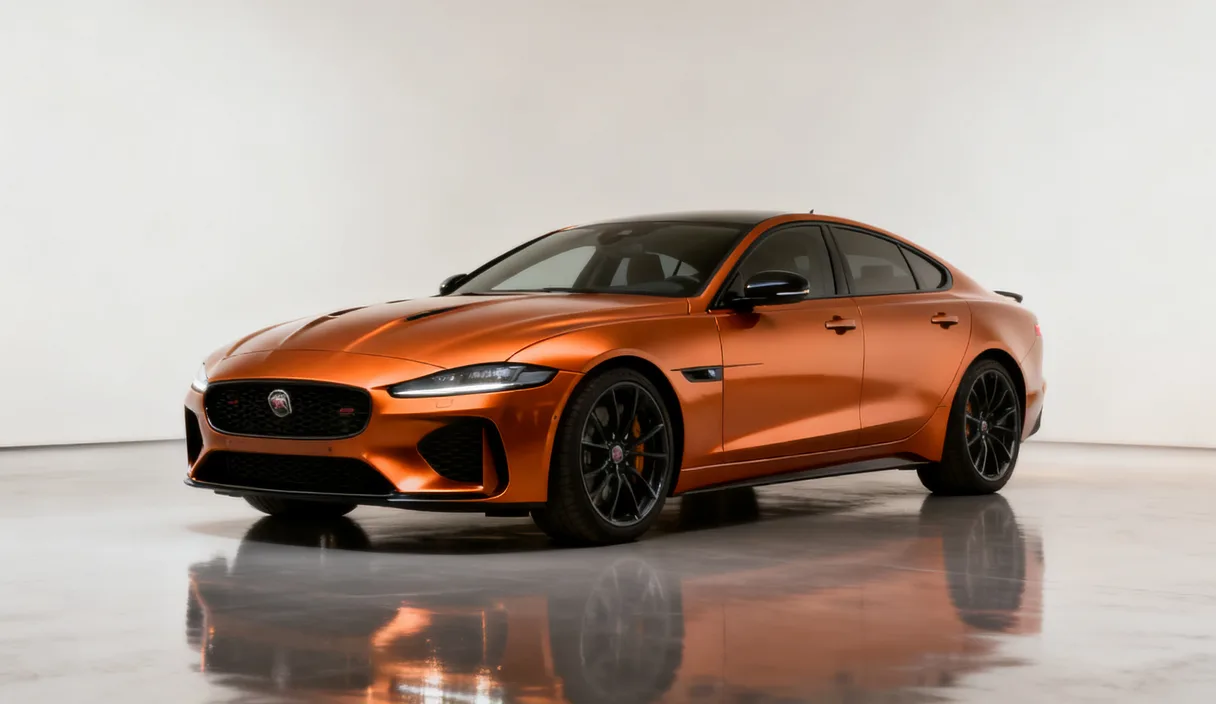
A full color-change car wrap in Sacramento starts at $2,350 for a compact car, $2,750 for a mid-size, $3,400 for a full-size SUV or pickup and $4,500 for an XL van or box truck. Lettering and partial wraps start at $550, and a full printed commercial wrap starts at $3,000.
Every one of those numbers comes from the same rate — $13–$17 per square foot of covered area, never the badge. Most local shops make you call to hear it. At Art Printing Vehicle Wraps on College Oak Dr, we publish it. Check your own vehicle in the wrap cost calculator, or read on for what drives the price and what other owners paid.
Get a Free Estimate · Price your car in the calculator · See it on your car — free preview
How much to wrap a car in Sacramento: a full color change starts at $2,350 for a compact and at $4,500 for an XL van or box truck, billed at $13–$17 per sq ft of covered area with a $550 minimum. Lettering and partial graphics start at $550, and old-wrap removal is $75 per hour.
Car wrap cost by vehicle size and coverage
Wrap pricing comes down to two things: how much of the vehicle you cover, and how big the vehicle is. These are starting prices — the number is knowable before you pick up the phone.
| Service / vehicle | Starts at | Notes |
|---|---|---|
| Lettering, decals, partial wrap | From $550 | Name, number, logo, a hood or roof — the entry point |
| Full color change — compact | From $2,350 | Coupe, small sedan |
| Full color change — mid-size | From $2,750 | Sedan, small SUV |
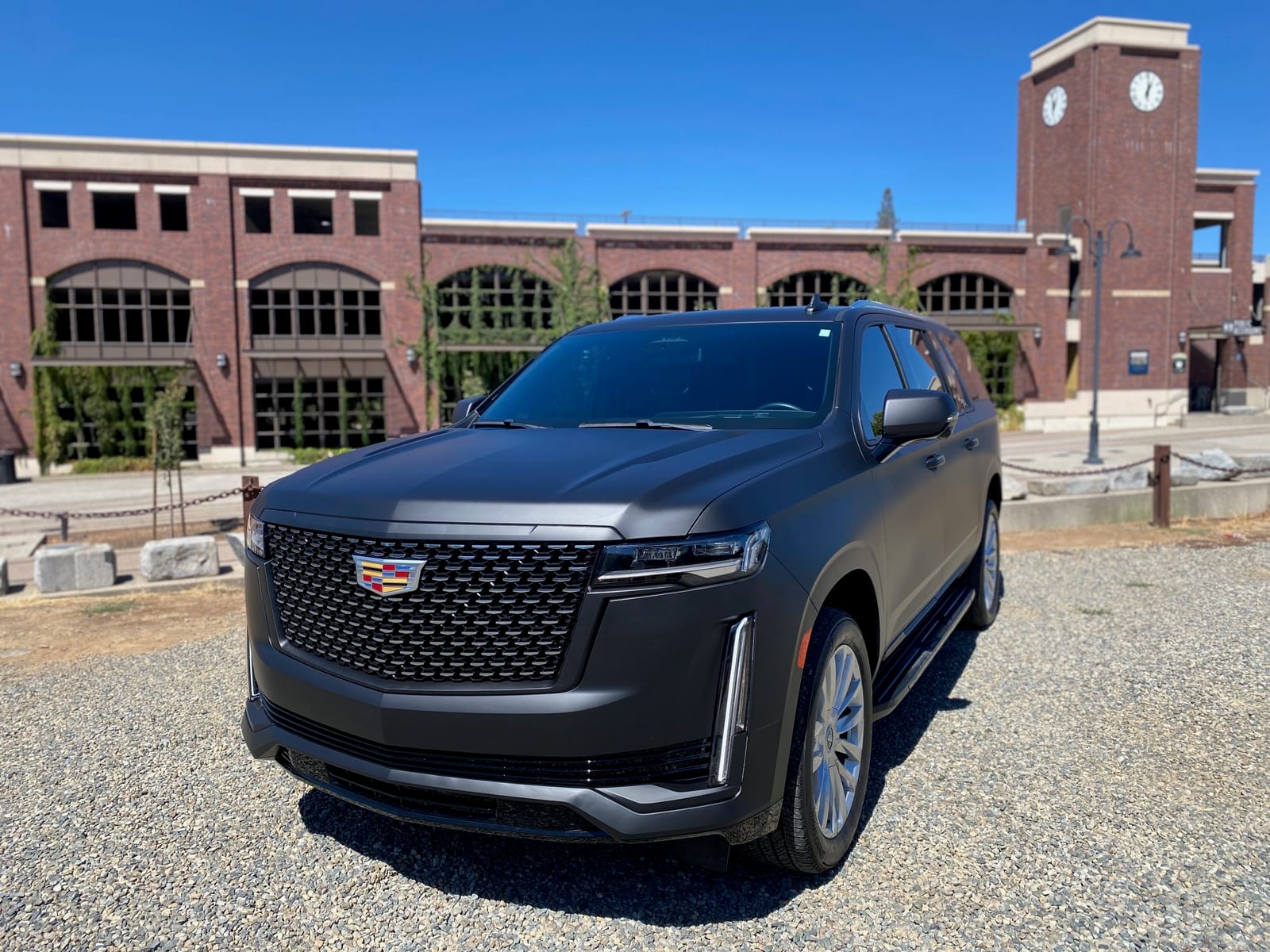
| Full color change — full-size | From $3,400 | F-150, Silverado, full-size SUV |
| Full color change — X-large | From $4,500 | Sprinter, box truck |
| Full printed commercial wrap | From $3,000 | Custom graphics: design + print + install |
| Premium finishes (chrome, color-shift, textured) | Quoted on the car | Specialty film costs more and takes longer to install |
| Fleet (per vehicle) | Volume pricing | See fleet pricing |
| Vinyl removal (old wrap) | $75 / hour | Labor to take a previous wrap off |
The final number depends on coverage, finish, design complexity, body type and the condition of your paint. What is not on that list is the value of your car: a wrap covers square footage, so a base sedan and a luxury car of the same size are quoted on the same rate. Each model page shows its own starting price — browse all models, or jump to BMW or Tesla. For finishes and colors, see color change wraps; for the local job itself, vehicle wraps in Sacramento.
What drives the price
When someone asks why car wraps are so expensive, the honest answer is that most of the cost is film and labor, not markup.
Film grade. Brand-name cast film costs more than the unbranded vinyl sold cheap online, and it is the difference between a wrap that lasts 5 to 7 years — the durability 3M and Avery Dennison publish for their cast wrap films — and one that fades and cracks in three. One installer put it plainly online: "It all breaks down to the quality of the vinyl. You can get some real cheap stuff that will start to fade after 3-4 years. But you can also get the good stuff." More on that in how long a wrap lasts.
Labor. A full wrap is fitted panel by panel, by hand. Good shops remove bumpers, mirrors, handles and trim so the film wraps cleanly into the edges instead of being trimmed at the seam. That is hours of skilled work, and skipping it is where lifting edges come from.
Surface prep. The car gets a decontamination wash and clay before any film touches it. Skip prep and the wrap fails early, which is also how paint gets damaged on removal later.
Design and print (commercial only). A printed wrap adds artwork, proofing, large-format printing and lamination on top of the install.
Coverage and complexity. A roof or hood is a fraction of a full wrap. Deep curves and recessed panels take more film and more time than flat ones.
A quote far below everyone else usually means thin film, skipped prep, or panels patched instead of fully covered — and the savings disappear when it fades early or pulls paint coming off.
Does a Tesla cost more to wrap?
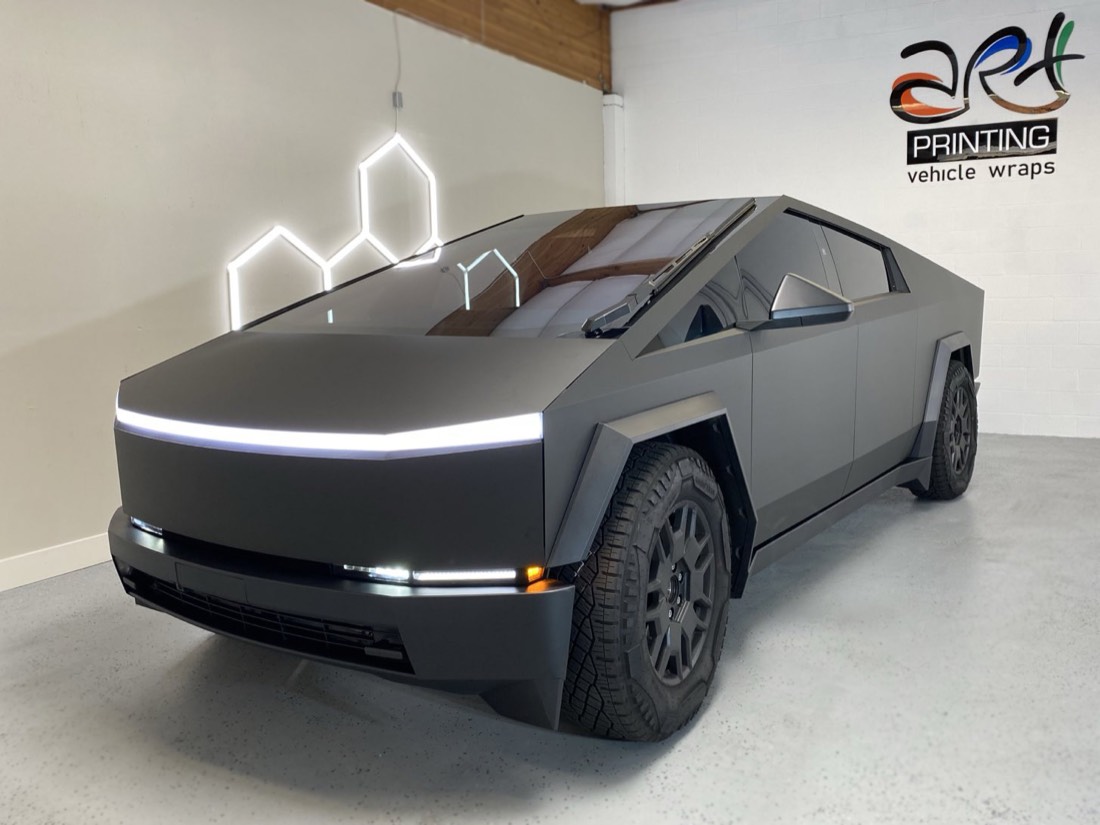
Teslas have one flat price: a full color change is $3,200 for a Model 3, Y, S or X, and $4,500 for the Cybertruck because its body is bigger. Soft-paint care, finish options and model-by-model detail are on our Tesla wrap in Sacramento page, with separate pages for the Model 3, Model Y, Model S, Model X and Cybertruck.
What owners actually paid
The range you see online is huge — one owner noted a Google search returned "$2k-$10k, which is quite a large range." Here are real reported figures from car-wrap and owner communities, verbatim:
- "I paid $3,200 in California. 3M 2080 full wrap... Yes, they did a great job." — r/C8Corvette
- "Vinyl wrap averages in my area start at around $3,000 for full wrap for a basic solid color change." — a wrap-shop owner, Quora
- "We do a straight color change on that car for about $3500. $4000 for a full print on that car is a damn fair price." — a shop owner, r/CarWraps
- "I was quoted 4500 for my Polestar 2. If they're an experienced wrapper then 5k is a reasonable estimate." — r/CarWraps
- "Price I was quoted for a full-car wrap... starts at $6500 pre-tax. This seems super high to me." — r/CarWraps
Higher still, you will see $8,000 to $9,000, and Tesla's own first-party wrap at $7,500 to $8,000. The spread between $3,200 and $6,500 is mostly film grade, vehicle size, labor rates, and whether a badge premium got tacked on. Size-based pricing turns that range into one knowable number for your car.
Why the same wrap costs different money in different places
Search this and you will find $1,500 in one state and $6,000 in another for what sounds like the same job. Three things explain almost all of that spread, and only one of them is a reason to walk away.
- Labor rates. Install is hours of skilled hand work, and an hour costs what an hour costs where you live. A high-cost metro will always price above a low-cost one. That is real, not a markup.
- What is actually in the quote. The cheapest figures online usually mean DIY film, a partial job, or thin calendared vinyl. A professional full wrap in cast film is a different product wearing the same word.
- Badge pricing. The one to push back on: some shops quote by what your car is worth rather than by what it costs to cover. Two cars of the same size should cost about the same to wrap. When they do not, ask why.
The defense against all three is one question: what is the price per square foot, and how many square feet is my vehicle? A shop that answers plainly is pricing the work. California runs at the higher end of the national spread; the Sacramento rate is the table above, published.
How fast — and what to ask
Some Bay Area and NorCal shops quote a "2-3 month backlog." A single wrap here is usually a few business days once your design is approved, and you get a real date with your estimate. Fleets are scheduled in phases so you are never fully off the road.
Before you accept any Sacramento quote, ask three things: Is the price published or hidden behind a call? Is the film named on the invoice? Is there a 60-day workmanship warranty? A shop comfortable with all three is a shop pricing you fairly.
5051 College Oak Dr Suite C, Sacramento, CA 95841
Phone: (916) 532-1891
Hours: Monday–Friday, 9:00 AM – 6:00 PM
Frequently asked questions
How much does it cost to wrap a car in Sacramento?
A full color-change wrap starts at $2,350 for a compact, $2,750 for a mid-size, $3,400 for a full-size SUV or pickup and $4,500 for an XL van or box truck. Lettering and partials start at $550, and a full printed commercial wrap at $3,000. Everything is billed at $13–$17 per sq ft of covered area with a $550 minimum, not by make, model or badge.
How much does it cost to wrap a truck or van?
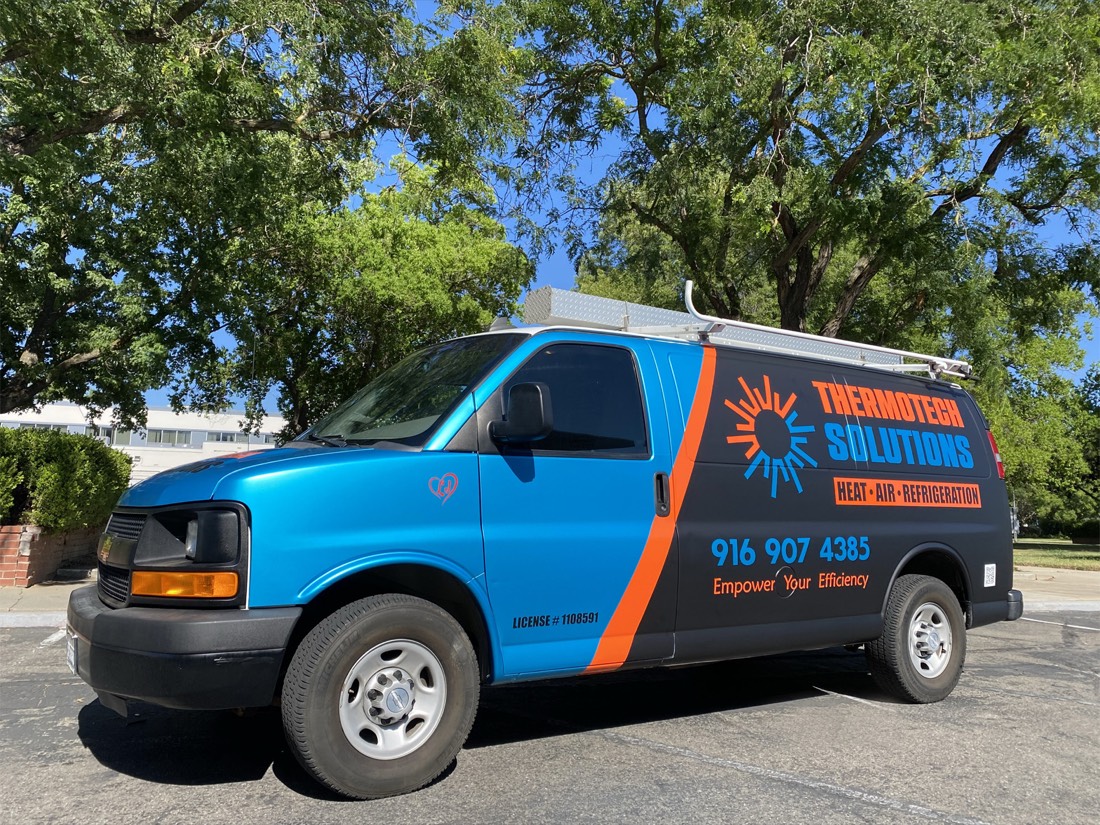
A full color change on a full-size pickup or SUV starts at $3,400, and an XL vehicle such as a Sprinter van or a box truck starts at $4,500. Printed commercial wraps start at $3,000 and are billed by covered area at $13–$17 per sq ft, so the price grows with the panel area. Fleets get per-vehicle volume pricing — see fleet & commercial wraps.
Is it cheaper to wrap or repaint a car?
A quality wrap is usually cheaper than a quality paint job, and it is reversible — your factory paint and color stay underneath, which also keeps your paint warranty intact. A respray that lasts as long as paint should can cost as much or more, and it is permanent. See our wrap vs paint comparison.
What do other owners actually pay for a car wrap?
Reported figures include $3,200 in California for a full 3M 2080 wrap, about $3,500 for a straight color change quoted by a shop owner, and quotes of $4,500 to $6,500 at the high end. The $2k–$10k range you see online mostly reflects film grade, vehicle size, labor rates and badge premiums.
How long does a wrap take in Sacramento?
Usually a few business days once the design is approved, not a two-to-three-month backlog. You get a real date with your estimate, and fleets are scheduled in phases.
Want your exact number? See your exact price and we'll send a real, size-based price — fair and transparent, no backlog. Or see a finish on your car first.